
World Cup 2026 Is in Miami — and So Are the Cyberattacks
Miami hosts seven World Cup matches this summer — and cyberattacks spike during major tournaments. Here's how South Florida businesses can stay protected during the 2026 World Cup.
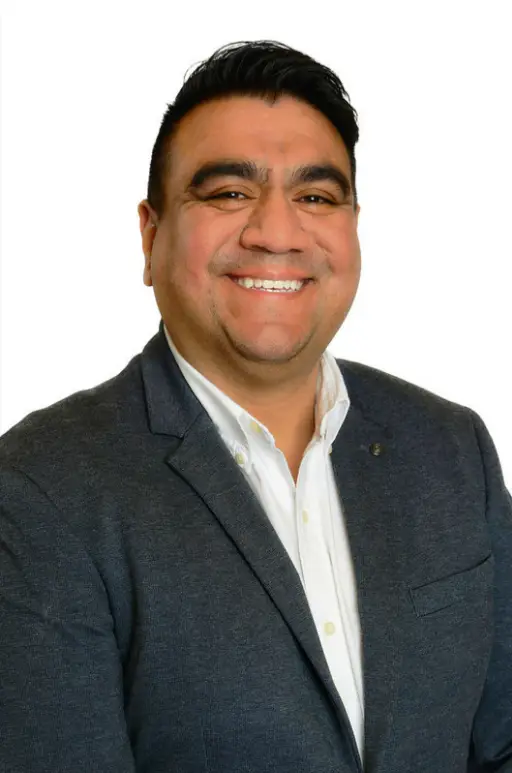
Heber Rodriguez
Founder & CEO, RRG Networks · Published June 11, 2026
The 2026 FIFA World Cup has arrived, and for the first time, South Florida is at the center of it. Hard Rock Stadium in Miami Gardens hosts seven matches between June 11 and July 19, 2026 — including a quarterfinal and the third-place match. For six weeks, our region will see one of the largest visitor surges in its history.
That’s great news for hotels, restaurants, transportation companies, retailers, and event businesses. It’s also great news for cybercriminals.
Why cyberattacks spike during major tournaments
Big sporting events concentrate three things attackers love: money, attention, and distraction. The pattern is well documented:
- During the Tokyo 2020 Olympics, NTT reported blocking more than 450 million attempted security events over the course of the games.
- Around the 2022 World Cup in Qatar, security researchers tracked thousands of newly registered scam domains impersonating ticketing, streaming, and betting services.
- Phishing campaigns reliably surge in the weeks before and during every major tournament, using event-themed lures that people are genuinely excited to click.
When the matches are being played in your own backyard, the risk concentrates locally — in the businesses serving the crowds.
The six attacks that spike when the world is watching
1. Tournament-themed phishing
Fake ticket confirmations, “exclusive hospitality packages,” free-streaming links, and betting promotions. These lures work because your employees actually want to engage with World Cup content. One click on a malicious link or a credential-harvesting page, and an attacker is inside.
2. Business email compromise (BEC) while leadership travels
Executives attending matches. Approvers on vacation. Payments moving quickly during a busy season. Attackers time wire-fraud and invoice-fraud campaigns for exactly these windows, impersonating a traveling executive to authorize an urgent payment.
3. Streaming malware on work devices
“Watch the match free” sites are one of the most reliable malware delivery channels during any tournament. An employee installs a “streaming plugin” on a corporate laptop, and now there’s malware on your network.
4. Rogue Wi-Fi near venues and fan zones
Spoofed wireless networks around stadiums, hotels, and watch parties harvest credentials from anyone who connects — including your traveling staff checking email between matches.
5. The distraction window
When a match kicks off, security alerts go unread for two hours. Attackers know the schedule as well as the fans do and deliberately time campaigns for maximum distraction.
6. The hospitality transaction surge
Record sales volume means fraudulent invoices and skimmed cards hide in the noise. For hospitality and retail businesses, the busiest month of the year is also the easiest month for fraud to blend in.
A World Cup cybersecurity checklist for South Florida businesses
You don’t need to overhaul your entire security posture before the next match. Focus on the highest-impact moves:
- Brief every employee on World Cup phishing lures — tickets, streams, betting, travel deals — before the group stage ends.
- Require out-of-band verification (a phone call to a known number) for every payment or banking change during the tournament.
- Enforce multi-factor authentication (MFA) on email, VPN, and financial systems — today, not after an incident.
- Keep match streaming off corporate machines. Give it a segmented guest network instead.
- Patch internet-facing systems and point-of-sale terminals before the peak weeks.
- Test a backup restore — not just the backup job, but the actual restore. Ransomware crews are working the tournament too.
- Know who answers your security alerts at 9 PM on a match night. If the answer is “nobody,” that’s the first thing to fix.
Hospitality and retail: you’re the prime target
If you run a hotel, restaurant, bar, or retail operation, the tournament is your highest-revenue window — and your highest-risk one. High transaction volume, seasonal staff with the least security context, and guests on your Wi-Fi all add up. Before the crowds arrive: segment guest Wi-Fi from your payment and operations networks, verify your PCI-DSS controls, patch your point-of-sale systems, and train seasonal staff on phishing. A breach during your busiest month costs far more than the same breach in a quiet season.
How RRG Networks protects South Florida during the tournament
RRG Networks provides 24/7 security monitoring that covers client environments every hour of every day — match days, weekends, and holidays included. When an alert fires, RRG responds. Average ticket response is under 8 minutes. Core protections like MFA enforcement, email authentication (SPF, DKIM, DMARC), endpoint detection and response, and continuous monitoring can typically be deployed in days, not months.
The tournament has already started — but the highest-risk weeks, including the knockout rounds, are still ahead. A partial defense deployed today beats a perfect one deployed in August.
World Cup 2026 cybersecurity for South Florida businesses — this guide.
Or book a free 30-minute discovery call and we’ll review your environment before the knockout rounds — no pitch, no jargon, just a clear plan.
RRG Networks provides cybersecurity in Miami. Call (844) 919-8534.
— About the author
Heber Rodriguez
Founder & CEO, RRG Networks
Heber Rodriguez is the founder and CEO of RRG Networks. Since 2016, he and his team have delivered managed IT, cybersecurity, and compliance services to South Florida businesses — built on real engineers, fast response times, and predictable outcomes.
Learn more about RRG— Ready When You Are
Want this kind of help for your business?
A 30-minute discovery call. No pitch, no pressure — just a real conversation with a real engineer about whether we can help.
Talk to us
Practical IT and security for South Florida SMBs. No form — call a real engineer.
Call (844) 919-8534